What is drop-shoulder cut and why do streetwear brands use it?
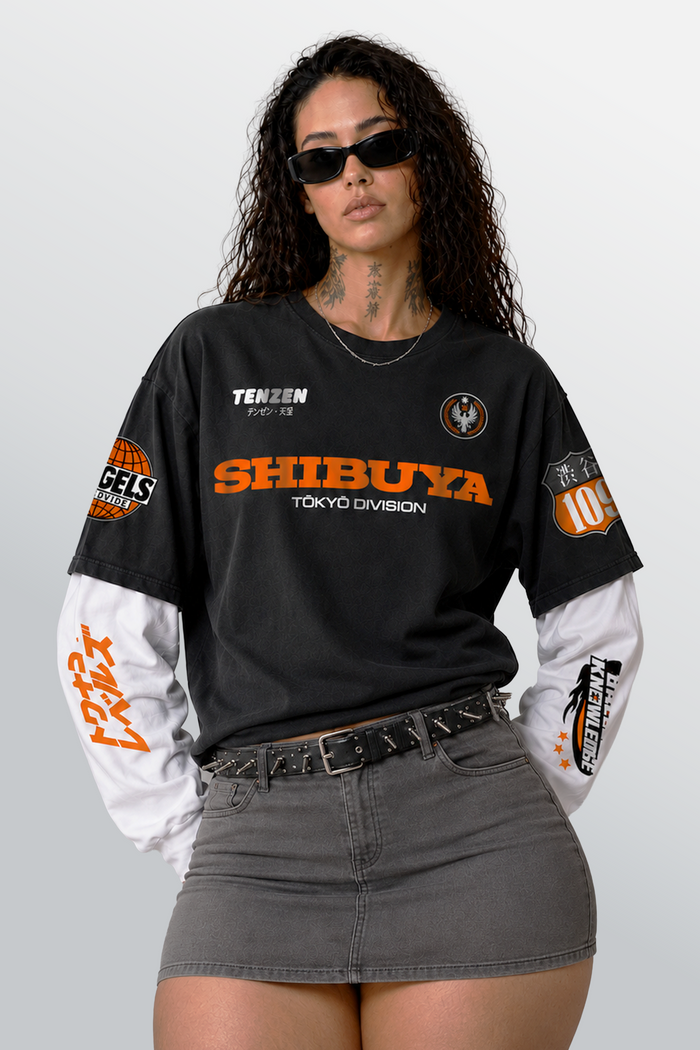
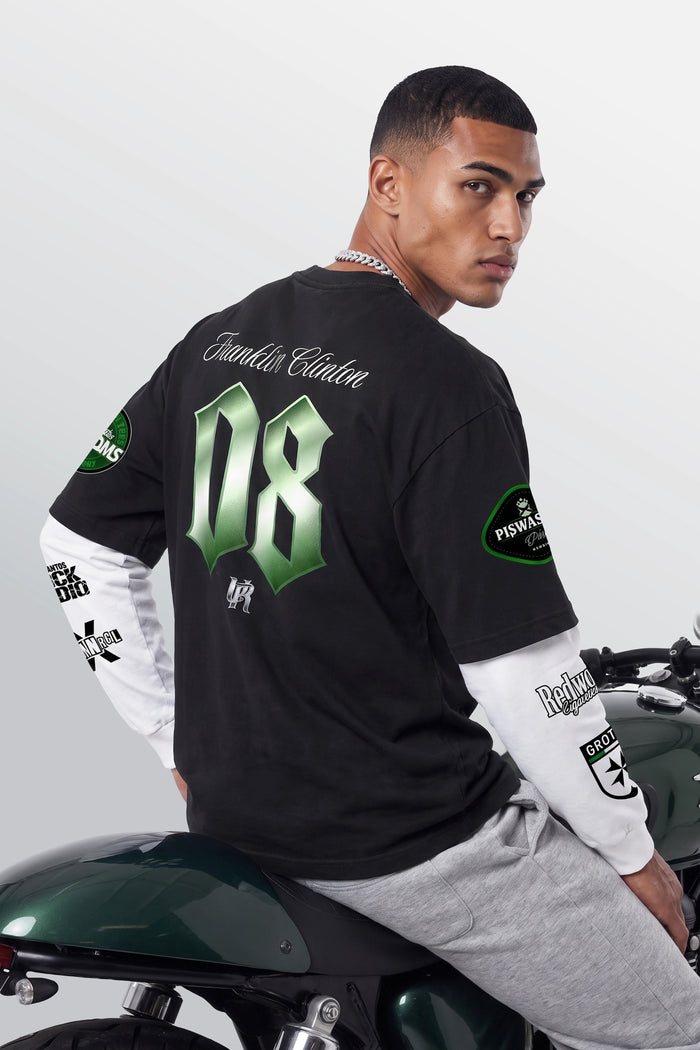
Drop-shoulder is a construction where the sleeve seam sits below your natural shoulder line, usually somewhere on the upper arm instead of at the shoulder bone. The shoulder of the garment extends past your body, which gives the tee a wider, more relaxed silhouette across the top.
What it looks like on the body
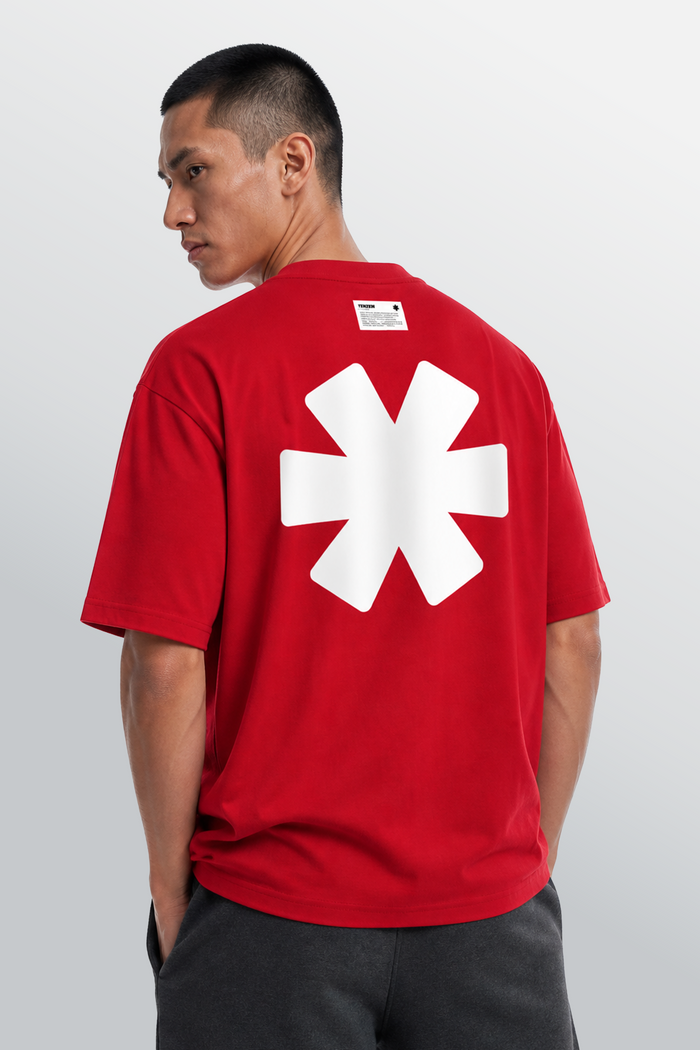
On a regular tee, you can feel the seam right at your shoulder point. On a drop-shoulder cut, that seam has moved an inch or two outward and downward. The top of the sleeve becomes part of the visual shoulder line, and the garment reads wider and more relaxed.
The sleeves are usually cut shorter to compensate. If they were not, they would hang past the elbow because the starting point has already moved down.
Why streetwear brands use it
Drop-shoulder pairs naturally with oversized body cuts. A wider chest with a regular set-in sleeve looks unbalanced; the shoulder seam pulls tight while the body is loose. Dropping the shoulder lets the whole silhouette breathe together.
It also moves better. Without a seam locked at your shoulder bone, the garment shifts freely when you reach, layer a jacket over it, or sling a bag across. Skate and hip-hop fits popularised the look in the 90s for that reason, and it has stayed standard in streetwear since.
Fit notes
The drop-shoulder seam should sit roughly two to three fingers below your natural shoulder. Much further and the tee starts to look too big. Much higher and you lose the relaxed line. Most oversized streetwear tees, including pieces in the tees collection, are cut to land in that zone at your true size.
One thing to watch
Drop-shoulder is a construction choice, not a size. Sizing up does not give you more drop. It gives you a longer body and wider chest. The shoulder drop is built into the pattern.