What's the difference between Indian and Western streetwear?
Western streetwear has a longer codified history rooted in skate, hip-hop, surf, and workwear, with established silhouettes and reference points. Indian streetwear is a younger category, often more references-led, pulling from anime, gaming, Bollywood, regional culture, and global skate equally. Both are evolving, and the line between them is thinner than it used to be.
Western streetwear, in short
The genre grew out of specific subcultures from the 70s onward. Skate brands from California, hip-hop labels from New York, workwear and surf influences from the Pacific. Silhouettes settled around oversized tees, boxy hoodies, baggy pants, and graphic-led prints. Brands like Stüssy, Supreme, Carhartt WIP, and Patta defined the visual language.
Because the lineage is older, Western streetwear has a more codified set of rules about what counts. Certain silhouettes, certain references, certain crossovers between music and fashion.
Indian streetwear, in short
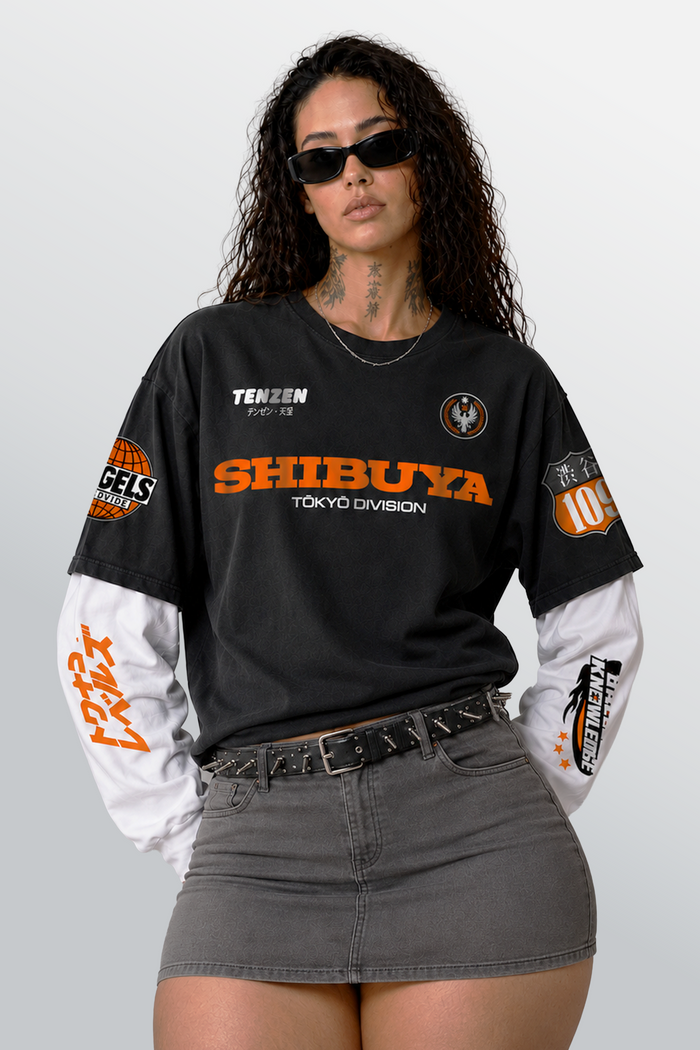
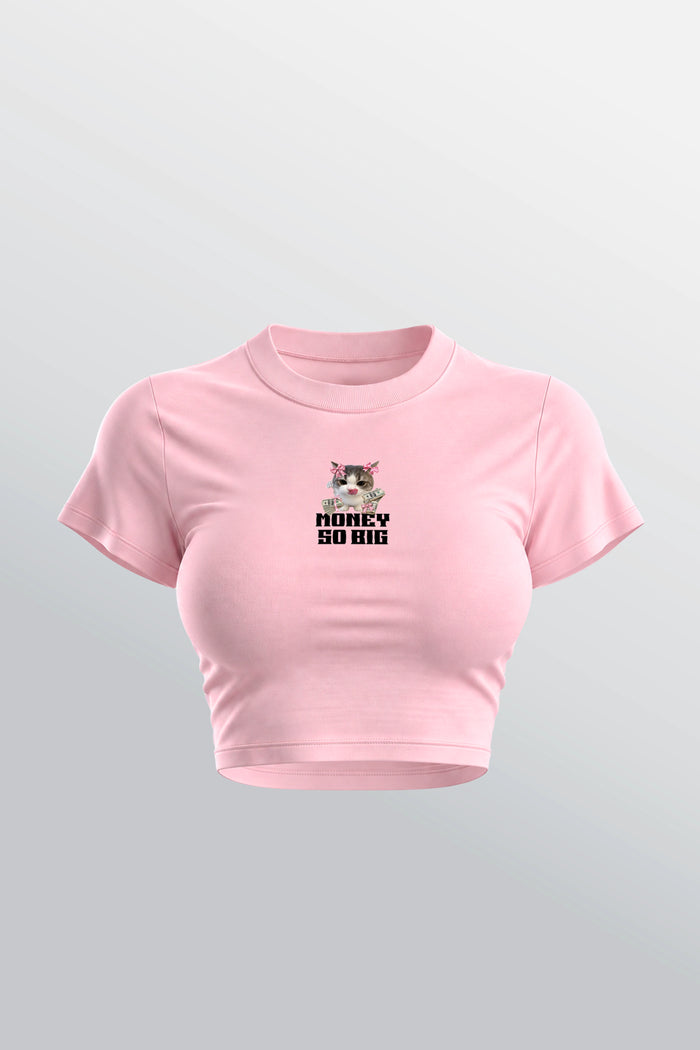
Most current Indian streetwear brands have launched in the last 5 to 10 years. The category is still defining itself, which gives brands more room to pull from anywhere. You will see anime references, Bollywood typography, JDM car culture, regional Indian motifs, and global skate codes sitting next to each other in a single collection.
The audience is also young and reference-fluent. The internet flattened the distance between Tokyo, Los Angeles, and Mumbai.
Where they overlap
Both work in oversized silhouettes. Both lean on heavyweight cotton and structured cuts. Both treat graphics as the main vehicle for meaning. The base vocabulary is shared.
Where they differ
Western streetwear often signals through brand recognition and lineage. Indian streetwear often signals through reference density, packing more cultural touchpoints into a single piece. Neither is better. They are answering slightly different questions for slightly different audiences.
The global view
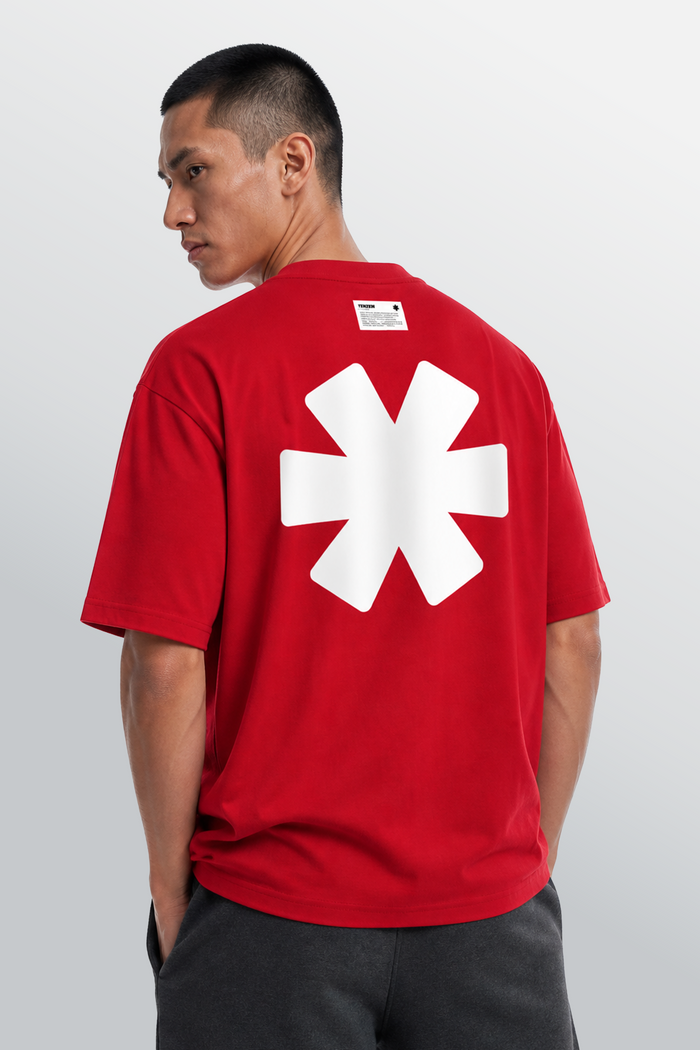
Streetwear as a category has stopped being geographic. The audience is online and the references move freely. Brands like Tenzen sit in that global conversation, with shipping to 27 countries and an audience that recognises the references whether they live in Tokyo, Berlin, Mumbai, or Lagos.